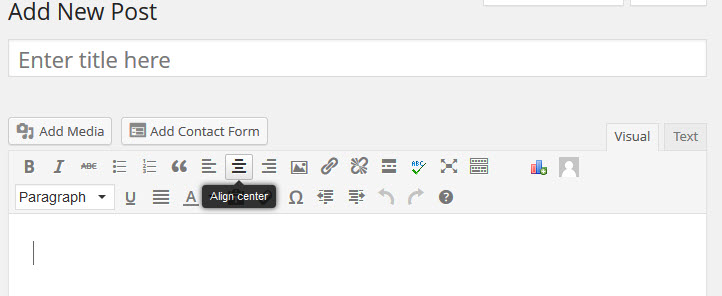
Daniel Immke has published his own primer on using native user interface elements for the administration of plugins. By following his basic primer, you’ll be on your way to creating a plugin that looks and functions as if it were a part of the core of WordPress which is what plugin developers should be aiming for. WooCommerce is an excellent example of the various UI elements that are built within WordPress that plugin authors should be taking advantage of. ∞
How Commercial Plugin Developers Are Monetizing Through The Plugin Respository
In-depth article by Siobahn McKeown that breaks down how commercial plugin developers are monetizing their efforts through the WordPress.org plugin respository. The article covers the guidelines that plugin authors should follow, examples of successful plugins as well as plugins that didn’t meet the guidelines, and various ideas plugin authors can try. One of the things I learned through that article is the existence of a detailed plugin guidelines page which didn’t exist before. It’s about time something like this was created as it answers questions up-front instead of leaving a ton of uncertainty up to the plugin author. ∞
Good Guide On Avoiding Theme/Plugin Lock-In
WordPress consultant, Konstantin Kovshenin has published an excellent guide describing what theme/plugin lock-in is and how to avoid it. This is a topic I’ve been thinking about for a long time but have never been able to put into words for a post. The biggest culprit in my opinion when it comes to lock-ins are themes, especially commercial ones. These themes not only come with features that make it unique, those features sometimes store or alter data in a way that makes it very difficult to switch themes or even upgrade WordPress. The first comment on that post by Diane illustrates my point exactly.
This problem is even more pervasive than articulated here. The theme options of many commercial themes create functionality unique to that theme and then if you want to make a change, boy are you screwed. We see this problem with clients all the time.
Looking back at my history of using WordPress, choosing the right theme based on looks, options, and functionality was one of the toughest decisions I would have to make. I think I’ve only switched themes five times or less for both my personal site and WPTavern.com. Quite frankly, switching themes is a giant pain in the ass. Widgets become messed up, the layout is screwed up and although I like themes with options, I have to read the manual to figure out how to get the layout I like or at least, witnessed on the demo theme. Once I have a theme configured both functionally and aesthetically, I try not to do anything to disturb it. I get sick of the layout sometimes but the thought of switching themes and how much work that entails always settles me down into sticking with the current implementation.
Definitely read the comments at the end of the article as Mike Schinkel carries on an interesting conversation on ways or methods on which this entire situation could be improved.
The Impact Plugins Have On WordPress Loading Times
Dev4Press has an interesting post that contains performance benchmark numbers that show just how much of an impact certain plugins have on loading times within WordPress. Amongst the 35 tested plugins are bbPress, W3 Total Cache, WooCommerce and a few of the plugins developed by Millan. I as well as many others were shocked to see bbPress with such poor numbers thanks to it loading everything on every page load instead of only what it needs. Keep in mind that it’s not about how many plugins you have installed on your website, but which ones. It only takes one poorly coded plugin to cause you grief.
For some additional reading on how to optimize plugin loading, please see this tutorial by Millan.
Hat tip via WPCandy.com.
Plugin Created By A 10 Year Old
Making the rounds on Twitter today is a WordPress plugin called Dashboard Site Preview that allows you to preview your website from the WordPress dashboard. The plugin was created by 10 year old, Jesse Friedman who goes by jesseenterprises on WordPress.org. According to Brad Williams, this guy attended WordCamp Philly in 2011 and used what he learned at that event to create this plugin.
Dashboard Site Preview adds a widget to your dashboard which is a simple iframe that shows you the front-end of the website. For widescreen monitors, you can maximize the use of the preview by setting the dashboard to display widgets in 1 column.
Not quite sure if this will save time when compared to other methods such as displaying the front end within another browser tab or within a browser window on a secondary monitor. However, this plugin excels at being a great learning experience for Jesse. I don’t know about you but I think it’s very encouraging to see younger folks getting involved with coding. After all, Matt Mullenweg believes that scripting is the new literacy.
Plugin Developers Receive A Christmas Gift
With the Santa hat on, Matt Mullenweg has decided to try out an experiment specifically for plugin authors and their respective plugin pages. He’s decided to give plugin authors a little more control with regards to how their plugin pages look by offering them a chance to upload a 772 x 250 pixel image that will be used as a banner. Here are a couple of excellent examples of this experiment in action:
Inline Quote Tag
Hello Dolly!
WordPress SEO By Yoast
YARPP or Yet Another Related Posts Plugin
bbPress
BuddyPress
TinyMCE Advanced
JetPack
FancyBox
One thing that I am thankful for is that most of the images I’ve seen have not detracted away from the information presented on the page. Right now, there is consistency amongst all of the various plugins hosted on the repository. I want that consistency to stick around. However, I will say that some of the plugin banner images give the page an additional pop and enhance the offering. As long as the header images are somewhat nice to look at and relevant to the plugin, I support this change!
Seven Things Not To Do When Localizing Themes And Plugins
David Decker has published his list of seven cardinal sins that he’s run into when diving into the localization/internationalization of plugins and themes. For beginners who want to start making it easy for others to localize their code, you should read this article on the Codex entitled, Translating WordPress. While David didn’t chastise developers for their code, Eric Mann weighed in from a plugin authors point of view that I think many other developers can relate to. ∞
Removing The Browser Nag Bar In WordPress
Scott Reilley who also goes by Coffee2Code is continuing his trend of releasing small but useful plugins for niche audiences. This time, he has released a plugin called No Browser Nag that removes the Outdated Browser nag found within newer versions of WordPress.
While it’s a bit foolish to condone the use of outdated browsers, sometimes users don’t have a choice. At least with this plugin, that user group will be able to remove the constant nag and allow WordPress to get off their backs about a situation they may not be able to control. However, if possible, you should upgrade to the newest versions of your browser of choice as they often contain important security updates, performance improvements, etc.
WP Super Cache 1.0 Released
Congrats to Donncha O Caoimh for releasing version 1.0 of his popular caching plugin, WP Super Cache. The release is an incremental improvement over previous versions but contains a number of bugfixes and new features such as a “Delete Cache” link within the admin bar. Back in 2009 when the plugin was first released, it was THE plugin that everyone suggested using if you wanted to increase performance on your site due to caching. Now a days, it seems as though W3 Total Cache has taken over that position. However, it’s nice to see Donncha still improving the plugin to provide users an alternate choice in caching solutions. ∞